By: Sara Koku Yowa, Sustainable Earth Institute
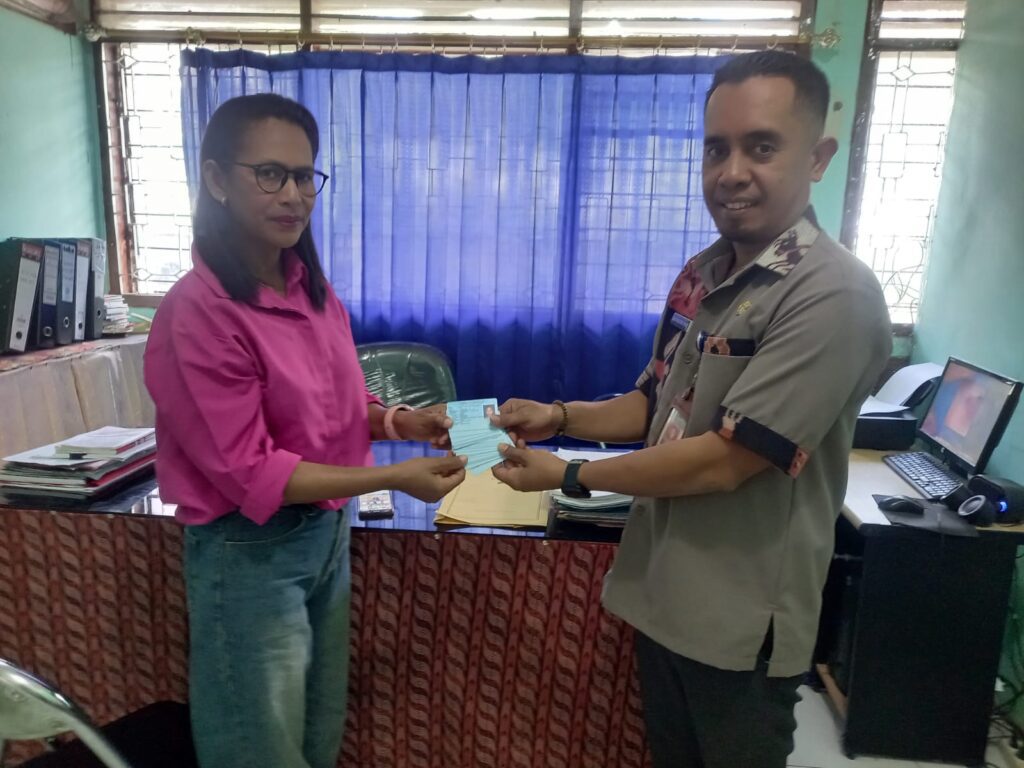
On Thursday, August 6, 2026, the head of a traditional institution, Reku Pekambani, visited the Population and Civil Registration Office of East Sumba Regency. He did not come alone. He was accompanied by Albertha Rambu Ngguna, a female Estungkara cadre.
They brought documents belonging to residents who had been registered for years with religious identities that did not fully reflect their beliefs. Fourteen family cards and 22 ID cards were to be changed. The religion column previously listed as "Christian" or in certain documents that did not reflect their beliefs was now being revised to "Belief in One Almighty God."
To some, changing a single column in a population document may seem like a simple administrative matter. For the Marapu people, that column holds a much longer story: about an identity that has had to adapt to the state administration system for years, about the need for children to attend school, about access to public services, and about the desire to be recognized as they recognize themselves.
Before the state recognized religious adherents in civil registration, Marapu adherents faced a challenging situation. Some were listed as Christians on their ID cards and family cards. This wasn't because they had abandoned Marapu, but rather because the administrative system and the need to obtain civil registration documents—including to support their children's education—made that option seem like an available option.
On paper, a person's identity is then recorded differently from the beliefs they practice in everyday life. Changing population documents is crucial because identity is not just a matter of what someone believes. Identity also determines how a person interacts with the state: when accessing education, health care, social assistance, registering a marriage, processing family documents, or dealing with various other public services.
When identities are not properly recorded, citizens face a continuing distance between themselves and the state. The changes to 14 family cards and 22 identity cards didn't occur from a single visit to the Civil Registration Office. A much longer process followed. In July 2026, Bumi Lestari's assistant, Sara, resumed intensive mentoring with Reku Pekambani. Their conversations went beyond questions about how to change ID cards or family cards. They discussed why such changes were important. They discussed the sustainability of Marapu, a community trust and belief. They also discussed the necessary documentation to process these changes.
Bumi Lestari had long advocated for this issue with the village government. However, the process faced various obstacles. One of them was the lack of information regarding administrative requirements, which were previously understood to require a statement from the church. This requirement was one reason the change process stalled. Repeatedly delayed advocacy ultimately led to community fatigue and distrust.
For citizens, bureaucratic delays are more than just a matter of time. When a basic need is repeatedly denied, trust in the institutions that are supposed to serve them can slowly erode. Therefore, assistance means more than just helping them gather documents. It also means rebuilding citizens' courage to try again.
Another milestone came when Bappenas visited Kalamba Village to assess the condition of the indigenous community, including the issue of marriage registration between indigenous people and residents who still adhere to Marapu. Sara's involvement in this process brought to light a previously unresolved issue. She then invited Reku Pekambani to discuss the status of the registration of residents who still adhere to Marapu.
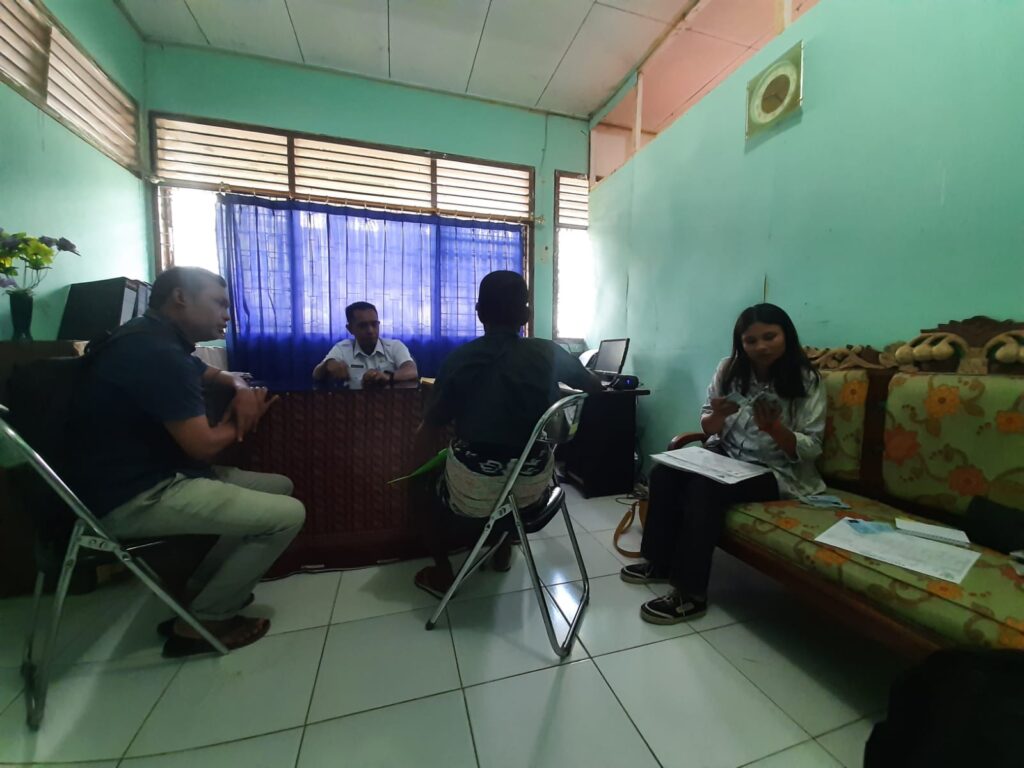
The conversation uncovered an underlying concern. Reku shared the same concern: how could residents who still practiced the Marapu faith obtain civil registration documents that matched their identities? From there, the stalled process resumed. Reku began gathering residents who wanted to change their religious registration to Marapu. Sara and Estungkara cadres then helped prepare the documents and ensure residents understood the process.
At this point, the assistance doesn't take over the residents' decisions. Instead, the residents and customary institutions determine the steps, while the assistants and cadres help ensure they have the information and support they need. At the heart of this process is the role of a female Estungkara cadre: Albertha Rambu Ngguna. Her name may not appear on the revised population documents. But without her work, the process might not have gone so smoothly.
Albertha assisted Reku with everything from collecting files to assisting with the document change process at the Civil Registration Office (Dukcapil). This role is often invisible because it doesn't always take the form of major decisions or official forums. Yet, administrative work, organizing, ensuring information reaches citizens, and assisting with bureaucratic processes are crucial parts of change. This is where a gender and inclusion perspective becomes relevant.
Women's participation in development doesn't always have to be seen through formal positions or leadership positions. Women also act as knowledge bridges, community organizers, administrative process facilitators, and community capacity builders.
Albertha is an example of how, when women have the space to participate, they can bridge community needs with state institutions. One important discovery they made when they arrived at the Civil Registration Office (Dukcapil): the church statement, previously considered a barrier, was no longer necessary.
To change their registration, residents simply need to provide a written statement stating that they are not adherents of the religion previously listed on the document, but rather adherents of the Marapu faith. This simple information carries significant meaning.
Because so far, obstacles haven't always been in written regulations. Sometimes they stem from incomplete information, differing understandings at the implementing level, or procedures that are passed down without further review. When the correct information reaches residents and their assistants, something that previously seemed difficult slowly becomes possible. On Thursday, August 6, 2026, the process continued. Reku, Estungkara cadres, and residents brought their documents to the Civil Registration Office (Dukcapil). In the morning, they processed the changes. That afternoon, they were ready to pick up their updated ID cards.
One by one, the documents changed. Not just the columns within them. But also how the state records who they are. Changing 14 family cards and 22 identity cards may not seem like a major achievement when viewed purely by numbers. But population administration is one of the most tangible ways the state is present in a person's life. A name. A family card. A KTP. A column of faith. These documents determine whether a person is recognized by the state system and the extent to which their identity is respected in public services.
Therefore, ensuring that indigenous communities and adherents of religious beliefs have documents that certify their identity is part of inclusive development. Recognition is not simply a policy or statement that every citizen has equal rights. It needs to be translated into administrative systems and services that citizens can access without having to reveal their identity.
For the Marapu people, this document change is one step toward bridging the gap between their lived identities and those registered by the state. And for Estungkara's work, this experience demonstrates that inclusion is built through a very concrete process: listening to residents' concerns, rebuilding trust, ensuring information is disseminated, strengthening the role of women and traditional institutions, and helping communities find their way within the state system.
Ultimately, the change may appear to be nothing more than a few new ID cards and family cards. But behind it lies something more fundamental: a person's right to be recognized as they are, and to appear before the state without having to first abandon their perceived identity.