By: Fauzan Adima, RMI
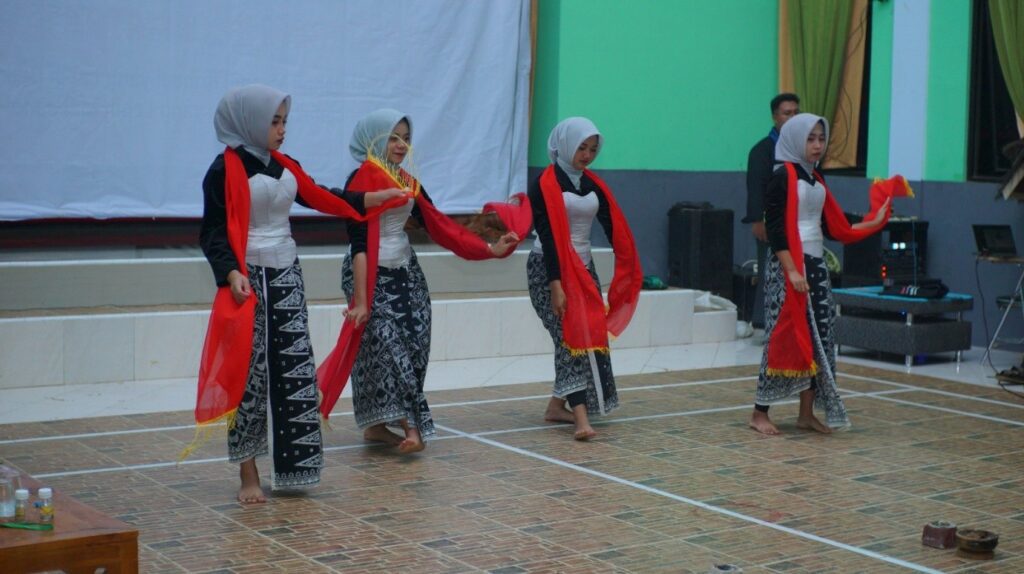
The Kasepuhan Pasir Eurih indigenous community, living in Sindanglaya Village, Lebak Regency, Banten, has a diverse array of dances. One of the dances routinely performed at various events is the Sundanese Sangkuriang Dance. This dance is based on the West Javanese folktale known as the Legend of Tangkuban Parahu.
This dance is based on a West Javanese folktale known as the Tangkuban Perahu Legend. It depicts the Sundanese legend of Sangkuriang and Dayang Sumbi. The dance typically depicts various scenes, including the feud between Sangkuriang and his mother, Dayang Sumbi, and Sangkuriang's efforts to build a boat and dam the river. Sangkuriang and Dayang Sumbi ultimately find peace and understanding, despite their deep sadness. The dance not only depicts Sangkuriang's story but also conveys a rich moral message and Sundanese cultural values. The dance concludes with a message about the importance of accepting fate, respecting parents, and not being overly ambitious.
However, there's another side to the dancers, especially the women who have been performing this cultural art form for so long. According to several community members, there's still a stigma and negative perception of women who perform the role of dancers in the Kasepuhan community. The community personally perceives the dancers' lifestyles as being at odds with societal norms. This lifestyle refers more to their distinctive and expressive daily appearance, often characterized by creativity. These include frequent gatherings and activities outside the home until late at night to practice dancing, dyeing their hair, and wearing trendy clothing. Furthermore, most of these dancers are young women, whose roles and positions within the Kasepuhan culture have traditionally been limited.
This has become a source of concern for the dancers. Devi, a teenager from Kasepuhan Pasir Eurih who is pursuing this dance, shares this concern. Devi and several of her friends feel this perception from the community is unfair. They have been instrumental in preserving the heritage of the Kasepuhan indigenous community. They are also often a source of pride for the residents of Kasepuhan Pasir Eurih, having successfully performed these dances outside the village. This has made their village and hamlet more widely known to the wider community.
However, Devi and her friends now feel more confident after extensive discussions with the KAWAL Forum and the Indonesian Young Foresters (RMI), who are members of the Estungkara Program with KEMITRAAN. Devi was also invited to appear in the "Forest, Ex, and the Road Home" film dissemination event, held in April 2025.
"I felt very touched to be invited to perform the traditional Kasepuhan dance with my friends and felt very appreciated by the welcome from the invited guests, consisting of local residents and friends who came from Jakarta," said Devi.
Devi and her friends became incredibly motivated by this. In the future, she no longer felt the negative stigma they faced from some residents would hinder them from continuing their work to advance local Kasepuhan culture.
"We will continue to perform Kasepuhan traditional dances so that this art form can be known by the community both within the Kasepuhan area and beyond," said Devi.